If you have a dental emergency, please call us on 010 – 4361604


 Nederlands
 English
Surgical extraction
When a tooth cannot be removed using a standard extraction procedure, it may need to be removed surgically. This procedure is called a surgical extraction.
General information
About the treatment
At your first visit, we will usually take an X-ray and discuss the proposed treatment plan with you. Our oral surgeon will explain the procedure and answer any questions you may have. In most cases, treatment can be carried out during the same appointment. If a separate appointment is required, this will be discussed with you.
If teeth or wisdom teeth need to be removed on both sides of the mouth, treatment will usually be divided into two appointments approximately three weeks apart. Teeth in the upper and lower jaw on the same side can generally be removed during a single procedure.
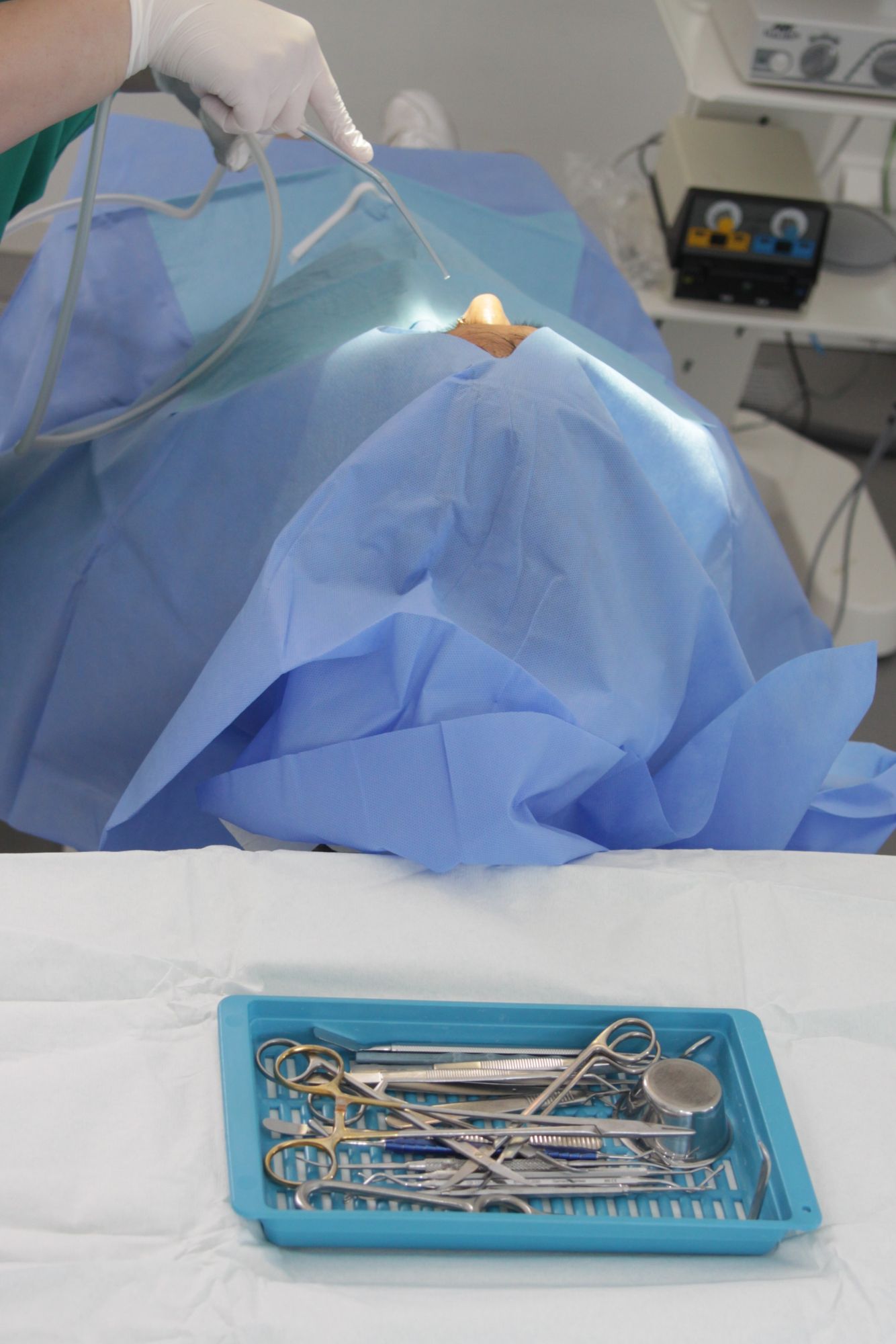
Surgical extractions are performed under local anaesthetic. The oral surgeon will gently open the gum around the tooth or remaining root and, if necessary, remove a small amount of surrounding bone. The procedure usually takes around 20 minutes. You may hear sounds and feel pressure during treatment, but you should not experience pain. Dissolvable stitches may be used to close the wound.
If required, you will receive a prescription for pain relief, mouth rinse or other medication.
Recovery usually takes a few days. Swelling, bruising and minor bleeding may occur during the first few days, and eating, drinking or swallowing may feel uncomfortable. In rare cases, temporary numbness of the lip, chin or tongue may occur due to nerve irritation or injury. Most symptoms improve within approximately three days.
Our aim is to make your treatment and recovery as comfortable as possible.
Fees
Fees
Prior to your treatment, you will receive a personalised estimate of the treatment fees. Please contact your health insurer to check whether you are eligible for reimbursement, as coverage varies depending on your insurance policy.
Surgical treatments carried out at Tandzorg Chirurgie are generally covered by Dutch basic health insurance, unless the treatment is considered cosmetic.
BASIC HEALTH INSURANCE
Everyone who lives or works in the Netherlands is legally required to have basic health insurance. This covers standard healthcare, including care provided by GPs and medical specialists.
Oral surgery at TANDZORG CHIRURGIE is classified as medical specialist care and therefore falls under hospital care. Our oral surgeon provides treatments that are covered by basic health insurance, also referred to as insured care.
For insured care, you will need a referral from your dentist, GP or medical specialist. Please be aware that the statutory excess, any voluntary excess and, where applicable, a personal contribution may still apply.
EXAMPLES OF INSURED CARE
- Extraction of teeth
- Surgical removal of wisdom teeth (third molars)
- Apicectomy (treatment of an infected root tip)
- Consultations
- Removal of cysts or foreign bodies
- Diagnosis and treatment of oral mucosal conditions, including biopsy
- Orthodontic surgery where surgery is required as part of orthodontic treatment
- Diagnostic X-rays
TANDZORG CHIRURGIE also provides treatments that are not normally covered by basic health insurance. These are referred to as non-insured care.
If there is a medical indication for such treatment, prior authorisation may be requested from your health insurance provider. If approval is granted, the treatment may be partially or fully covered by basic health insurance.
EXAMPLES OF NON-INSURED CARE
- Dental implant treatment
- Pre-implant surgery, such as bone grafting
- Periodontal surgery
- Surgical exposure of dental implants
- Cosmetic gum surgery
FAQ
Frequently asked questions
Can’t find the answer to your question? Please feel free to contact us.
Gauze on the wound
If a gauze pad has been placed over the wound, you may remove it after 30 minutes. If the wound has been stitched, the oral surgeon will usually have used dissolvable sutures, which normally dissolve within 14 days. If non-dissolvable sutures have been used, the oral surgeon will inform you.
Pain relief
The local anaesthetic usually wears off after two to three hours. You may experience some pain or discomfort afterwards. This can generally be managed effectively with pain relief medication, for which you will receive a prescription if necessary. You can collect this from the pharmacy immediately after your procedure.
We recommend taking your pain relief before the anaesthetic has completely worn off. Always follow the prescribed dosage and do not exceed the maximum daily dose stated in the patient information leaflet.
If you have also been prescribed antibiotics, take them exactly as instructed and complete the full course. We also recommend avoiding strenuous physical activity for the first few days, as this may increase pain and discomfort.
Eating and drinking
While the anaesthetic is still working, swallowing may be more difficult and you may not notice if food or drinks are too hot. Wait until the anaesthetic has completely worn off before consuming hot food or drinks. We recommend eating soft foods for the first three to five days after the procedure.
Smoking and alcohol
We strongly advise against smoking while the wound is healing, as smoking can delay the healing process. Alcohol can increase the risk of bleeding and should also be avoided.
Oral hygiene
Do not rinse your mouth during the first 24 hours after the procedure. Rinsing may dislodge the blood clot that has formed in the wound and cause bleeding to start again.
You should continue brushing your teeth, but take extra care around the surgical area. From the second day onwards, you may rinse your mouth several times a day with lukewarm salt water (one teaspoon of salt dissolved in half a litre of water). You may also use a 0.2% chlorhexidine mouth rinse if this has been prescribed.
Swelling
Swelling of the cheek or lip is a normal response following surgery. You can help reduce swelling by cooling the area with an ice pack or a bag of ice cubes wrapped in a cloth. Cooling is most effective during the first two hours after the procedure.
Swelling usually reaches its peak after three to four days and will gradually decrease thereafter. Bruising may also occur, which can cause the cheek to remain swollen and discoloured for longer. This is generally harmless and does not require medical attention. We also recommend avoiding direct sun exposure as much as possible during the first week after the procedure.
Stitches
Dissolvable stitches usually disappear on their own within one to two weeks. Occasionally, non-dissolvable stitches may be required. If this is the case, a follow-up appointment will be arranged to have them removed.