If you have a dental emergency, please call us on 010 – 4361604


 Nederlands
 English
Periodontal surgery
In some cases, deep periodontal pockets with persistent inflammation may remain following non-surgical periodontal therapy by the dental hygienist. These areas can be accessed and thoroughly debrided by the oral surgeon using periodontal flap surgery.
General information
About the treatment
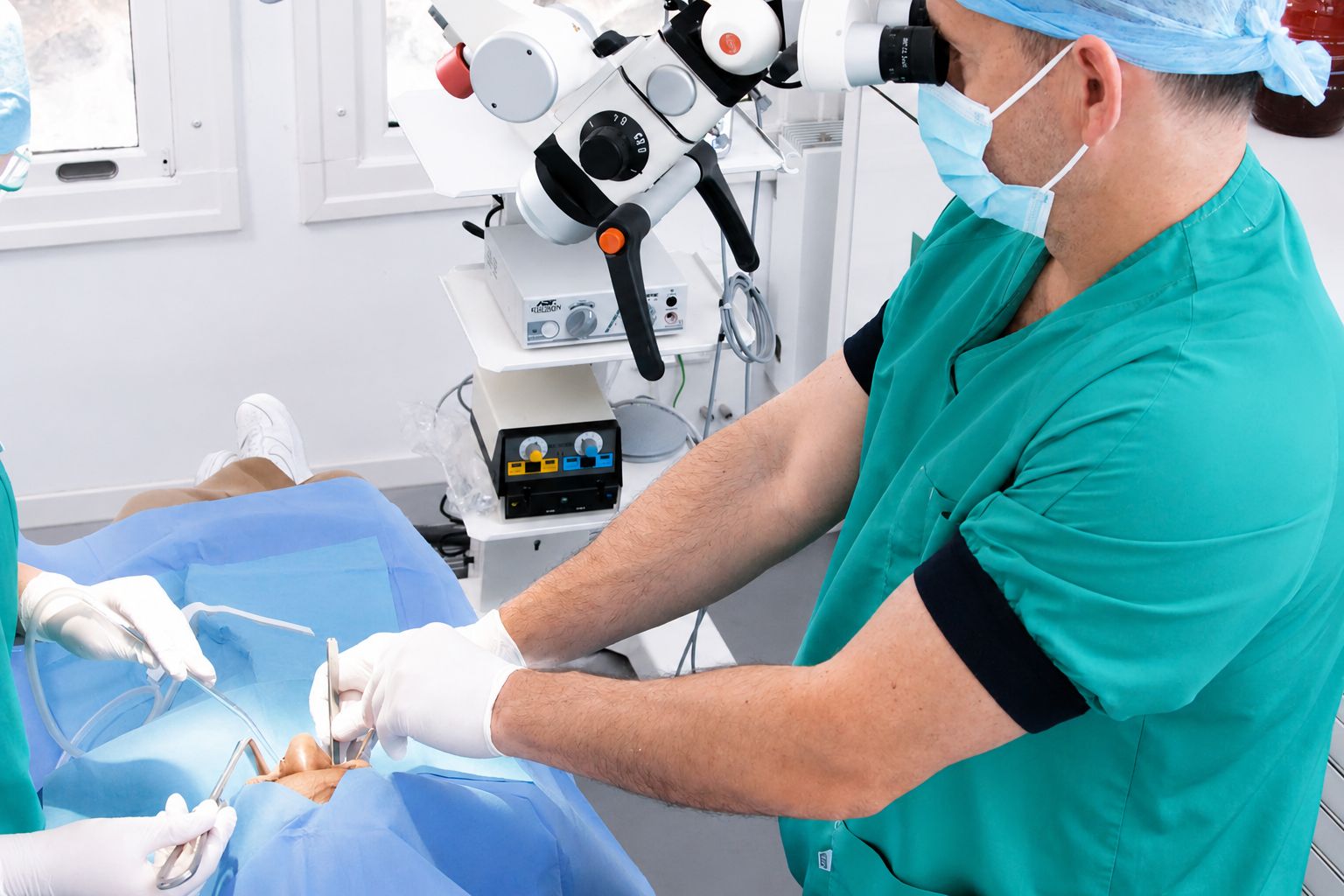
The procedure is carried out under local anaesthetic. The oral surgeon gently lifts the gum tissue to expose the jawbone and tooth roots. Inflamed tissue is removed and the root surfaces are thoroughly cleaned. The gum is then repositioned and closed with sutures.
After periodontal surgery, do not clean the treated area with a toothbrush, interdental brush or toothpick until the sutures have been removed. This can disturb the surgical site and delay healing. Use chlorhexidine mouth rinse as prescribed to help control bacterial growth. Continue to clean the rest of your mouth as usual.
Your teeth may be temporarily more sensitive to cold, heat, sweet or acidic foods and drinks, or to touch. This is usually caused by increased exposure of the root surfaces after treatment.
Your teeth may also feel slightly more mobile during the first few days after surgery. This is usually temporary and is related to postoperative swelling. As the tissues heal, this should gradually improve.
Fees
Fees
Prior to your treatment, you will receive a personalised estimate of the treatment fees. Please contact your health insurer to check whether you are eligible for reimbursement, as coverage varies depending on your insurance policy.
Surgical treatments carried out at Tandzorg Chirurgie are generally covered by Dutch basic health insurance, unless the treatment is considered cosmetic.
BASIC HEALTH INSURANCE
Everyone who lives or works in the Netherlands is legally required to have basic health insurance. This covers standard healthcare, including care provided by GPs and medical specialists.
Oral surgery at TANDZORG CHIRURGIE is classified as medical specialist care and therefore falls under hospital care. Our oral surgeon provides treatments that are covered by basic health insurance, also referred to as insured care.
For insured care, you will need a referral from your dentist, GP or medical specialist. Please be aware that the statutory excess, any voluntary excess and, where applicable, a personal contribution may still apply.
EXAMPLES OF INSURED CARE
Extraction of teeth
Surgical removal of wisdom teeth (third molars)
Apicectomy (treatment of an infected root tip)
Consultations
Removal of cysts or foreign bodies
Diagnosis and treatment of oral mucosal conditions, including biopsy
Orthodontic surgery where surgery is required as part of orthodontic treatment
Diagnostic X-rays
TANDZORG CHIRURGIE also provides treatments that are not normally covered by basic health insurance. These are referred to as non-insured care.
If there is a medical indication for such treatment, prior authorisation may be requested from your health insurance provider. If approval is granted, the treatment may be partially or fully covered by basic health insurance.
EXAMPLES OF NON-INSURED CARE
Dental implant treatment
Pre-implant surgery, such as bone grafting
Periodontal surgery
Surgical exposure of dental implants
Cosmetic gum surgery
FAQ
Frequently asked questions
Can’t find the answer to your question? Please feel free to contact us.
Potential benefits include:
Removal of plaque and calculus from areas that were previously difficult to access
Elimination or reduction of deep periodontal pockets that are difficult to keep clean
Improvement in oral function and appearance
Following periodontal surgery, avoid using hard-bristled toothbrushes or other oral hygiene aids that may irritate or traumatise the surgical site.
During the healing period, avoid chewing on or applying pressure to the treated area. As with any surgical wound, keeping the area undisturbed supports optimal healing and helps reduce the risk of complications.