If you have a dental emergency, please call us on 010 – 4361604



 Nederlands
 English
Denture relining
If your denture becomes loose, it may be possible to improve the fit by relining it.
General information
About the treatment
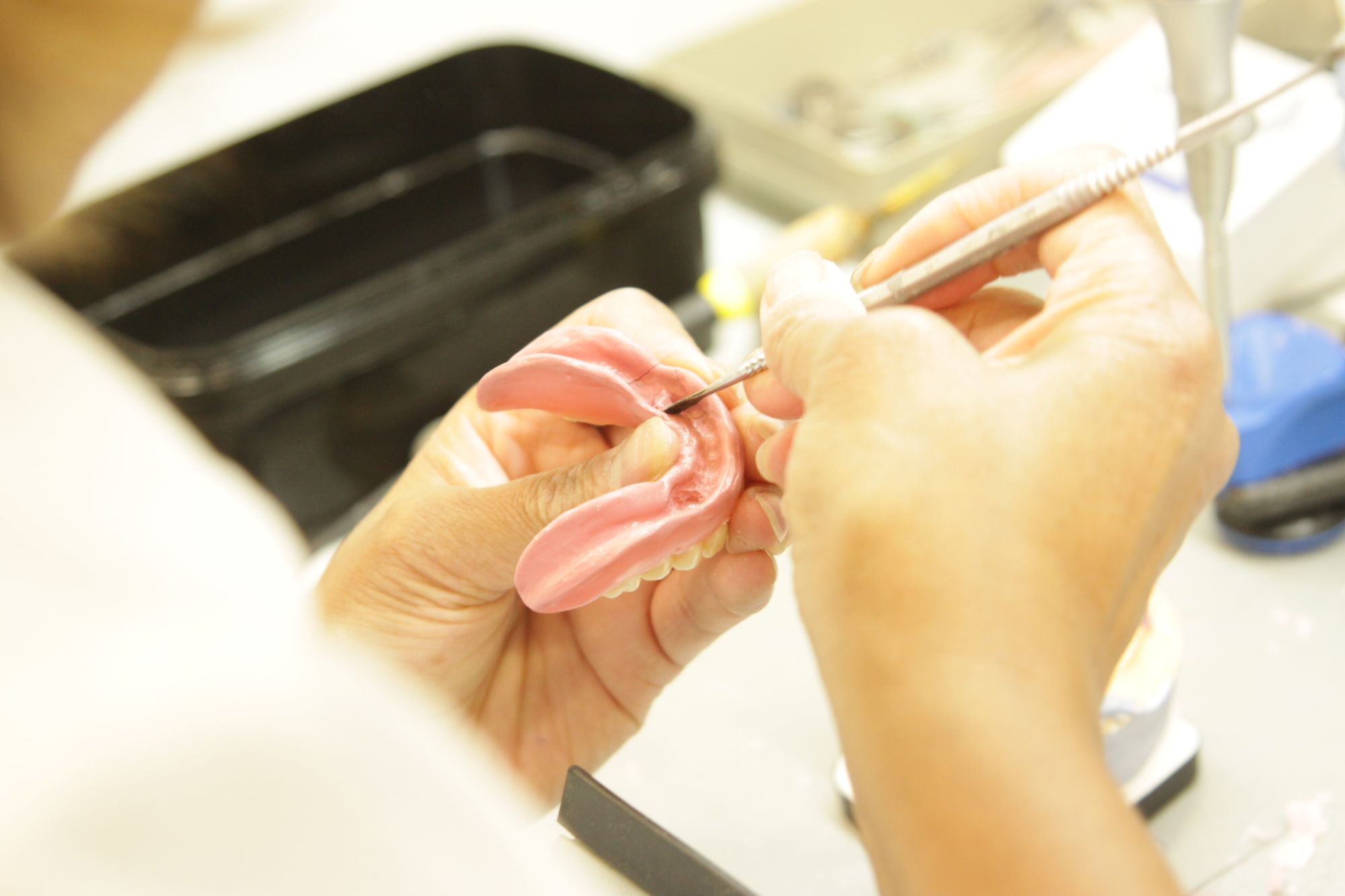
Denture relining involves adding a new layer of material to the fitting surface of the denture so that it adapts more closely to the underlying tissues and provides a more stable and comfortable fit.
An impression of your jaw is taken using your existing denture. Jane will then adjust the denture and apply a new lining to improve its fit. You will usually be without your denture for approximately three hours. Once the relining procedure is complete, your denture should feel more secure and fit more comfortably.
We recommend having your denture checked by a dentist or dental prosthetist every two years to ensure that it continues to fit properly.
Fees
Fees
The cost of a denture reline is determined individually, as every patient has different dental needs and requirements.
Prior to your treatment, you will receive a personalised estimate of the treatment fees. Please contact your health insurer to check whether you are eligible for reimbursement, as coverage varies depending on your insurance policy.
FAQ
Frequently asked questions
Can’t find the answer to your question? Please feel free to contact us.
As the jawbone gradually changes over time, your denture may become loose and no longer fit as well as it once did. You may start to compensate for this without realising it, which can lead to discomfort or other problems that may not immediately seem related to your denture.
Denture relining improves the fit of your existing denture so that it sits more securely and comfortably against your jaw.
With denture relining, only the fitting surface on the inside of your existing denture is renewed with new material. Denture relining is suitable as long as the denture itself is still in good condition.
With a new denture, the entire prosthesis is replaced, including the artificial teeth.