If you have a dental emergency, please call us on 010 – 4361604


 Nederlands
 English
Fissure Sealants
Fissure sealant treatment is a preventive and painless option for both children and adults. It protects the deep grooves and pits in the back teeth, where tooth decay is most likely to develop.
General information
About the treatment
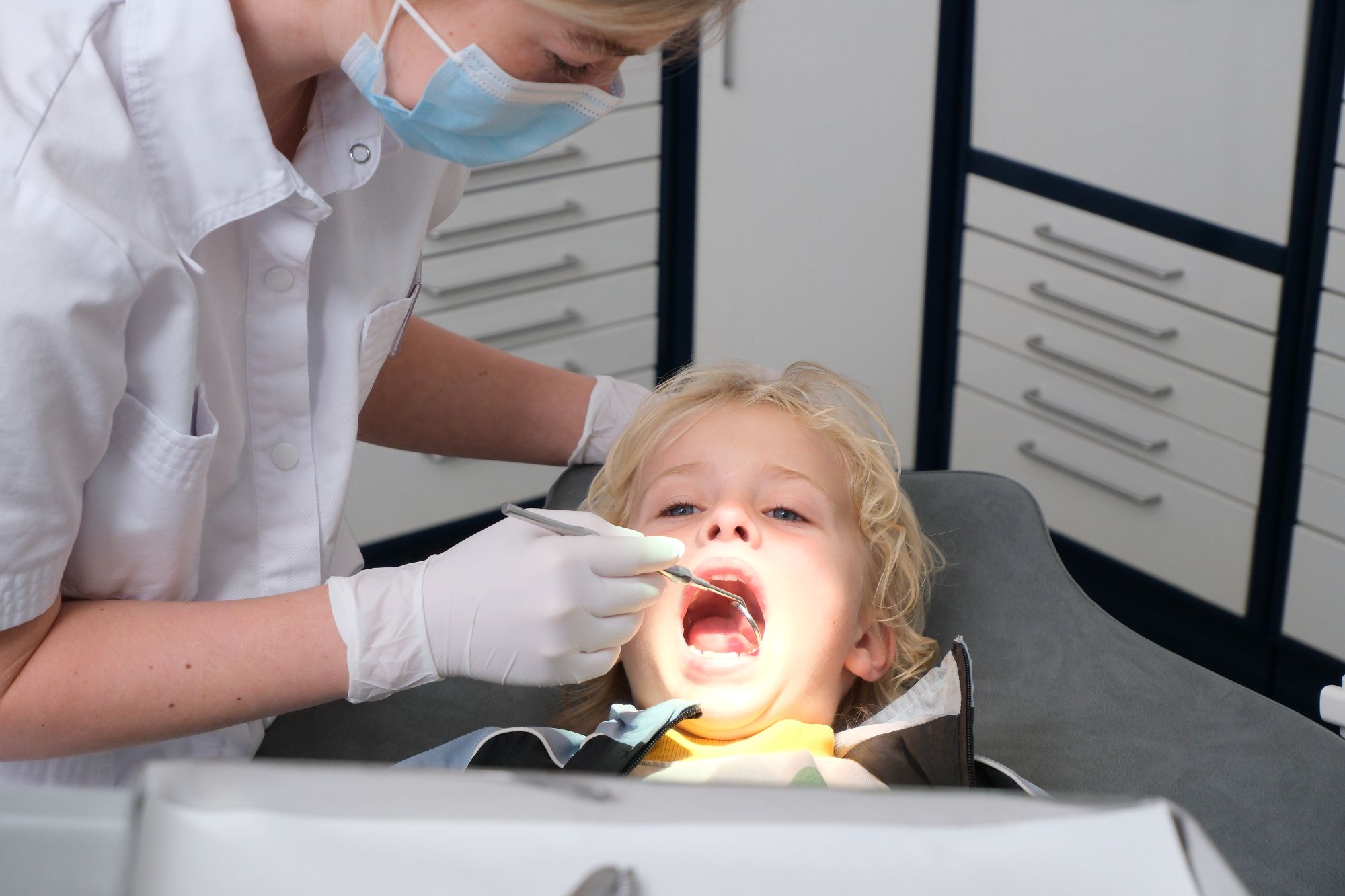
During fissure sealant treatment, a thin layer of tooth-coloured resin is applied to the chewing surface of the tooth and hardened with a curing light. This almost invisible protective layer is called a fissure sealant.
First, the dentist thoroughly cleans the tooth. To help the sealant bond securely, the grooves and pits in the enamel are treated with a special etching gel. After a short period, the gel is rinsed away and the tooth is carefully dried.
It is important to keep the tooth completely dry, as saliva can prevent the sealant from bonding properly. Cotton rolls and suction are therefore used to keep the treatment area dry.
In some cases, a thin rubber sheet called a rubber dam is placed around one or more teeth to isolate them from the rest of the mouth. A small clamp may be used to hold the rubber dam in place. You may initially notice some pressure on the gum, but this usually settles quickly.
Once the tooth is clean and dry, the dentist applies the liquid sealant to the grooves and pits of the chewing surface. The material flows into these areas and is then hardened using a blue curing light.
Finally, the dentist checks that the fissure sealant is securely in place and that your bite feels comfortable.
Fees
Fees
Treatment fees must be paid at the reception desk immediately after your appointment, preferably by debit card or, if necessary, in cash. This overview is intended as a general indication only. As every patient requires an individual treatment plan, the final costs may vary from person to person.
Our fees are based on the Performance and Tariff Decision for Dental Care issued by the Dutch Healthcare Authority (Nederlandse Zorgautoriteit, NZa), valid from 1 January 2026 to 31 December 2026. For more information about dental costs and reimbursements, please visit allesoverhetgebit.nl.
| Fissure sealants | Treatment code | Fee |
| Fissure sealant, first tooth | V30 | €33,76 |
| Fissure sealant for each additional tooth in the same appointment | V35 | €18,75 |
FAQ
Frequently asked questions
Can’t find the answer to your question? Please feel free to contact us.
When permanent molars begin to come through, your dentist may recommend fissure sealant treatment to help protect them from tooth decay. Primary molars are not usually treated in this way. As fissure sealants are often placed in young children, they may feel a little nervous about the treatment. However, the procedure itself is completely painless.
Fissure sealant treatment is quick and straightforward and usually takes only a few minutes. For this reason, it is often carried out during a routine dental check-up.
No. Fissure sealants are not permanent and usually remain in place for several years before gradually wearing away. By that time, many children have developed better brushing habits and may no longer need the sealant to be replaced. Your dentist will check the condition of the fissure sealants during routine dental check-ups and advise whether any further treatment is needed.
Although fissure sealant treatment is most commonly used for children and teenagers, it can also be suitable for adults. Whether you may benefit from fissure sealants depends on the shape and condition of your teeth. If you have deep grooves that are difficult to clean properly with a toothbrush, fissure sealants may help protect these areas from tooth decay.
Please keep in mind that fissure sealants are not permanent and may need to be replaced after several years.